Frequently Asked Questions about Property Management.
What does a property manager do in Queensland?
A property manager looks after a rental property on the owner's behalf. They find and screen tenants, collect rent, arrange repairs and inspections, and keep the tenancy compliant with Queensland's Residential Tenancies and Rooming Accommodation Act 2008. In practice, that includes:
Leasing: pricing the rent, advertising, running viewings, checking applications, preparing the tenancy agreement and entry condition report, and lodging the bond with the Residential Tenancies Authority (RTA) within 10 days.
Rent and accounts: collecting rent, following up arrears, paying bills on the owner's behalf, and providing monthly and end-of-financial-year statements.
Inspections: carrying out routine inspections, which in Queensland need at least 7 days' notice on an Entry notice (Form 9) and can happen at most once every 3 months.
Maintenance: arranging repairs through trusted tradespeople and making sure the property meets Queensland's minimum housing standards, which have applied to all tenancies since 1 September 2024.
Compliance: keeping up with rental law, including the rule that rent can only rise once every 12 months for the property.
Disputes and vacates: managing breach and leave notices, running exit inspections, handling the bond refund, and representing the owner at the RTA or QCAT if needed.
At Place, each owner has a dedicated property manager in their local office, backed by support from Place HQ.
How much does property management cost in Brisbane?
Most Brisbane property managers charge an ongoing management fee of around 7% to 10% of the rent collected, plus GST, and a letting fee of about one week's rent when they find a new tenant. A 2026 industry survey put the Brisbane average at about 7.3% of weekly rent and one week's rent for letting.
Beyond those two fees, check the fee schedule for:
- Lease renewal fees
- Routine inspection fees
- Advertising costs for a new tenant
- An end-of-financial-year statement fee
- Hourly rates if a dispute goes to the Queensland Civil and Administrative Tribunal (QCAT)
A low headline percentage can be offset by these extras, so compare the total yearly cost, not just the management fee. Property management fees are generally tax deductible for investors. At Place, your local property management team will give you a written fee schedule with your rental appraisal.
How do I switch property managers in Queensland?
You can switch property managers in Queensland at any time, including partway through a lease. Give your current agency written notice under your management agreement, which is usually 30 days. The existing tenancy agreement carries on unchanged, and the tenant doesn't need to sign anything new.
Check your current agreement for the notice period, how notice must be given, and any termination fees.
Appoint your new property manager and sign their management agreement.
Give written notice to your current agency, with your name, the property address and the date management ends. Your new property manager can prepare this for you.
Hand over the records. The new manager collects the keys, the tenancy agreement, the entry condition report, the rent ledger, bond details and maintenance history.
Notify the RTA and the tenant. The outgoing and incoming managers both sign a Change of property manager/owner form (Form 5), and a copy goes to the RTA and to the tenant. The bond stays lodged with the RTA. The new manager gives the tenant their contact details and how to pay rent.
At Place, our property management team handles the handover for you, so your tenant and your rental income aren't disrupted.
What should I look for in a property manager in Brisbane?
Look for a licensed, experienced property manager who knows your suburb, communicates often, and is clear about their fees and results. In Brisbane, check for:
A current Queensland licence or registration. You can confirm it on the Office of Fair Trading's public licence register.
Local knowledge. They should know the rents, tenant demand and days on market in your suburb, not just Brisbane overall.
Experience and stability. Ask how long your property manager has been in the role and how many properties they look after. Frequent staff changes mean your property keeps being handed to someone new. Place property managers average 5.5 years in the role.
Clear communication. Ask how often you'll hear from them, how quickly they respond, and what an inspection report looks like.
Transparent fees. Get a full written fee schedule, not just the management percentage.
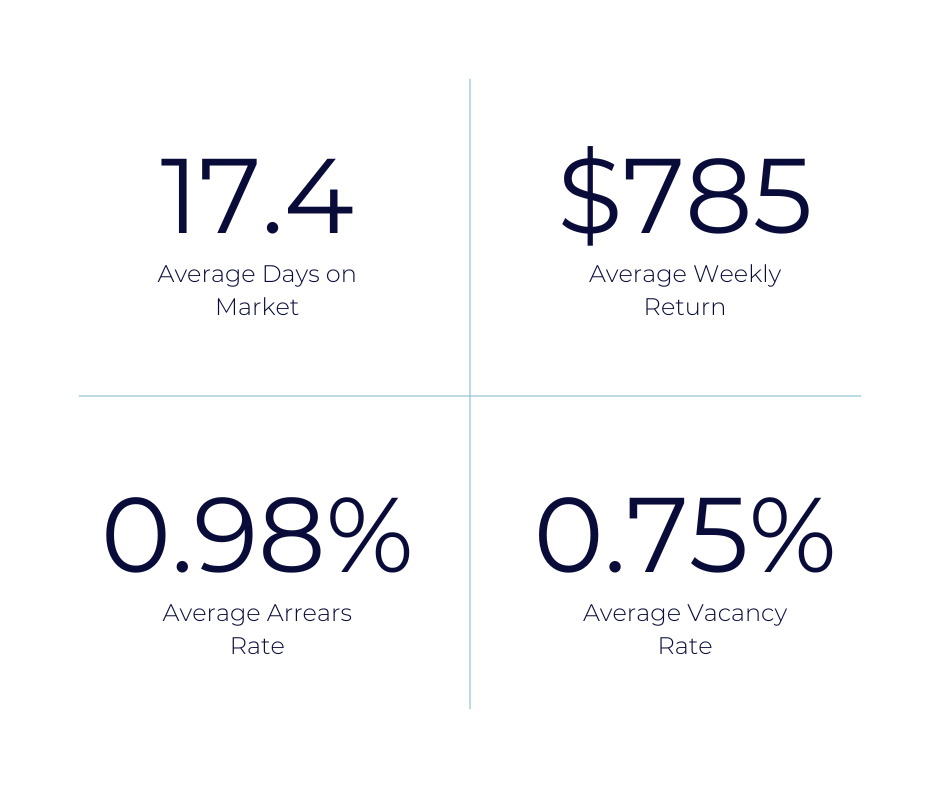
Results you can check. Ask about their average vacancy period, arrears rate and how they screen tenants.
Strong compliance. They should be across Queensland's rental laws, including minimum housing standards, smoke alarm rules, entry notices and rent increase limits.
Reliable trades. Ask how repairs are approved and who does the work.
How do I find a good property manager in Brisbane?
The best way to find a good property manager in Brisbane is to get rental appraisals from two or three local agencies, meet the person who would actually manage your property, and compare their answers, fees and reviews side by side.
Shortlist agencies that are active in your suburb. Look at who has rental listings and "Leased" signs nearby.
Request a rental appraisal from each. It shows how they price your property and how they'd market it.
Meet your property manager, not just the business development manager. Ask how many properties they manage and how long they've been in the role.
Ask the same questions of each. Cover their average vacancy period, arrears rate, tenant screening, inspection reports and how repairs are approved.
Compare full fee schedules, including letting, renewal, inspection and statement fees.
Check reviews and licences. Read landlord reviews on Google and RateMyAgent, and confirm the licence on the Office of Fair Trading register.
Place has property management teams in local offices across Greater Brisbane. You can request a free rental appraisal from your nearest office using the Get a Quote button on this page.
What is the best way to manage a rental property in Brisbane?
The best way to manage a rental property in Brisbane is to price it to the local market, choose tenants carefully, keep it well maintained and stay compliant with Queensland's rental laws. Many owners use a licensed property manager, because the rules and paperwork change regularly. Whether you manage it yourself or appoint a manager, the essentials are the same:
Set the right rent. Base it on recent leases in your suburb. Overpricing costs more in vacant weeks than it gains in rent, and rent can only be increased once every 12 months.
Screen tenants thoroughly. Check identity, income, rental history and references, and use a written tenancy agreement and entry condition report.
Meet the safety and housing rules. That includes Queensland's minimum housing standards, interconnected photoelectric smoke alarms, and a pool safety certificate if there's a pool.
Inspect regularly. Give at least 7 days' notice on an Entry notice (Form 9), at most once every 3 months.
Fix repairs quickly. Prompt maintenance protects the property and keeps good tenants longer.
Protect yourself. Hold landlord insurance and lodge the bond with the RTA within 10 days.
Keep good records. Rent, expenses and fees are needed at tax time.
A Place property manager handles all of this for you, with regular updates on how your property is performing.
Related guides:
Selling an Investment Property
Rental Property Tips